The History Behind Royal Collection Jewellery: Timeless Treasures Worthy of Royalty
The origins of royal jewelry collections reveals a tale steeped in creativity and prestige. Throughout the centuries, these items have evolved, capturing cultural movements and developing tastes. Every piece holds profound significance, spanning elaborate craftsmanship to the finest materials. Understanding their significance invites a thorough investigation of the craftsmanship and symbolism that define these legendary pieces. What influences have shaped these timeless treasures, and which individuals played a key role in their development?
How Did Royal Jewelry Evolve Over Time?
As royal dynasties thrived across the ages, the evolution of royal jewelry reflected both cultural shifts and advancements in craftsmanship. At first, royal decorations were understated, commonly fashioned from native materials including wood and stone, serving as symbols of rank and influence. Once trade networks grew, valuable metals and gemstones became available, resulting in complex designs that highlighted exceptional craftsmanship.
The Renaissance signified a profound related content shift, with ornate creations that incorporated symbolism and storytelling, often reflecting the political landscape. Throughout the 18th century, opulence defined royal jewelry, with intricate designs and groundbreaking methods developing. The Victorian age ushered in emotionally meaningful jewelry, showcasing symbolic designs that expressed personal stories.
In contemporary society, regal jewelry has transformed to embrace modern design sensibilities while upholding its historical importance. In our time, it operates as more than just a symbol of authority while also serving as a bond uniting historical roots with current expressions, demonstrating the lasting heritage of craftsmanship and cultural identity.
Why Iconic Royal Jewelry Pieces Are So Special
Iconic royal jewelry pieces stand out not only for their exceptional artistry but also for the deep historical significance and symbolism they embody. Each creation often acts as a reflection of the heritage of a royal dynasty, representing power, prestige, and cultural heritage. The remarkable designs often incorporate specific gemstones and motifs that commemorate notable milestones or individual histories associated with royals. As an example, some items may celebrate royal unions or function as cherished inheritances carried through generations, deepening their sentimental significance.
Additionally, these pieces are often adorned with elaborate craftsmanship that reflect artistic brilliance and the talents of renowned artisans. The exclusivity of the materials employed, such as scarce diamonds or extraordinary gemstones, adds to their allure. Above all, legendary royal adornments extends far beyond decoration; it embodies history, identity, and the enduring legacy of those who wore it, making every artifact a remarkable testament of its time.
What Craftsmanship Techniques Are Common in Royal Jewelry?
In royal jewelry, classical handcrafting practices play an essential role in producing pieces of remarkable quality. Such techniques frequently encompass detailed gemstone placement, guaranteeing that every stone is positioned with accuracy and dedication. This level of artistry not only elevates the visual appeal but also contributes to the historical significance of these prized pieces.
Time-Honored Handcrafting Methods
Many royal jewelry pieces are celebrated for their remarkable craftsmanship, displaying a blend of time-honored handcrafting methods that have been handed down over centuries. Artisans utilize techniques such as fine filigree work, where intricate threads of metal are shaped and fused to create detailed designs. Another common method is cloisonné, which involves the use of metal strips to form sections filled with gems or decorative enamel. Additionally, hand engraving introduces distinctive patterns and textures, showcasing the mastery of the craftsman. The use of traditional lost-wax casting allows for the creation of detailed and unique gold designs. Each work of art reflects the devotion to the art, ensuring that royal jewelry remains enduring, embodying the rich history and cultural heritage of the artistry that defines it.
Exquisite Gemstone Setting
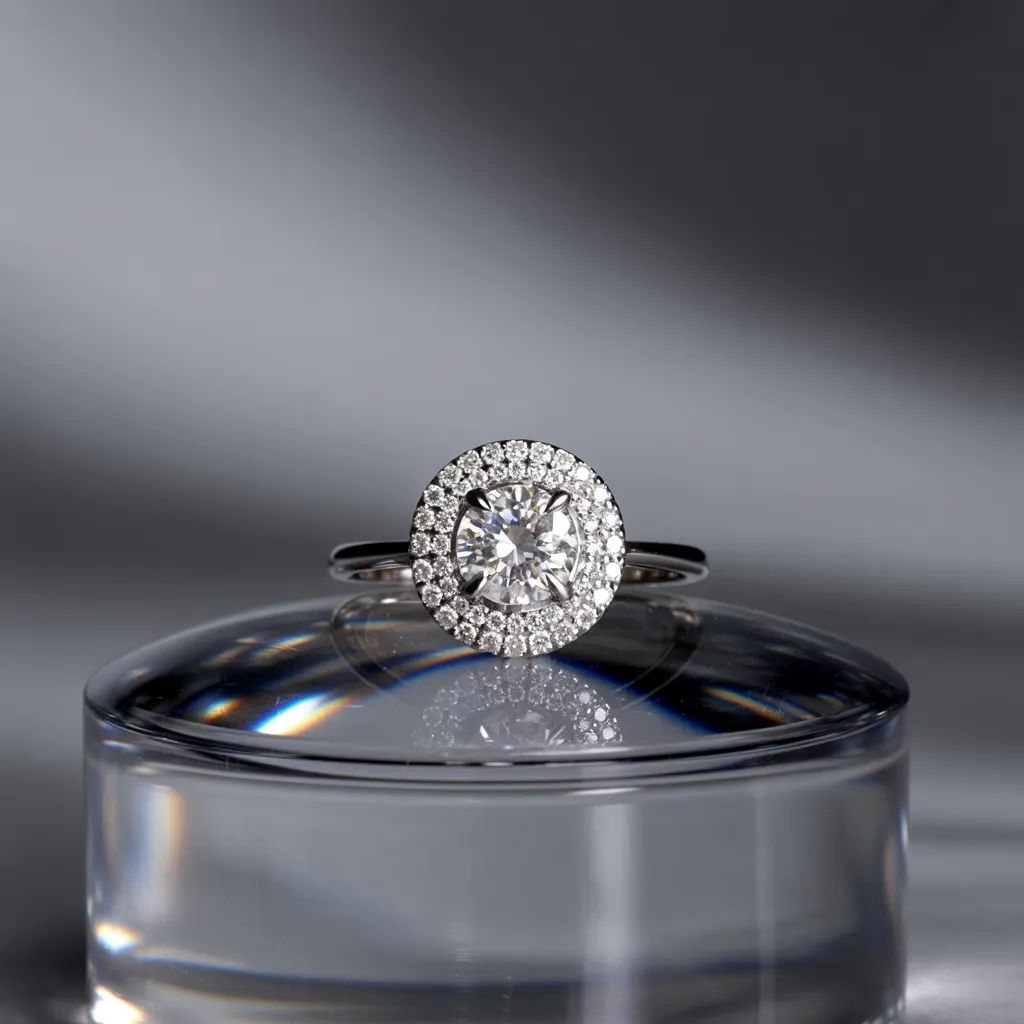
Numerous approaches characterize the practice of detailed stone placement in fine royal pieces, elevating each piece to a level of unparalleled sophistication. Within these methods, the prong setting is prevalent, where metallic prongs hold gems while optimizing light reflection. The rim setting, wrapping the gemstone in a metal frame, delivers a refined and polished appearance. Furthermore, pave settings create a sparkling surface by setting tiny gems in close proximity. Master craftsmen frequently utilize the method of invisible stone placement, creating a flawless visual effect that showcases their radiance. Moreover, careful consideration is paid to stone alignment and symmetry, guaranteeing that every creation captures refinement and grace. These craftsmanship techniques contribute to the enduring allure of fine royal pieces, mesmerizing collectors throughout the ages.
What Symbolic Meaning Is Hidden in Royal Jewelry
What profound significance can be found in the elaborate designs of royal jewelry? Every piece frequently functions as a visual representation of strength, allegiance, and tradition. Symbols such as crowns or scepters evoke authority and governance, while motifs like flowers or animals can signify elegance and nature's abundance. Precious stones are selected not merely for their visual beauty but also for their symbolic meaning; sapphires embody insight, rubies represent passion, and emeralds are associated with renewal.
Moreover, royal jewelry regularly includes aspects that embody cultural and national significance, for example colors or symbols associated with a specific nation or royal lineage. Royal jewelry gifts commonly signify unity and fortify relations, holding profound personal and political weight. Therefore, these extraordinary treasures surpass ordinary embellishment, preserving accounts of lineage, culture, and the elaborate historical threads that define royal identity.
How Have Royal Jewelry Trends Changed Over the Years?
In what ways have royal jewelry trends changed throughout history? Across the centuries, royal jewelry has acted as a mirror to societal changes, embodying shifts in fashion, culture, and technology. In the early periods, opulent gemstones and intricate metalwork were favored, symbolizing wealth and power. The Renaissance introduced elaborate designs with floral motifs and the use of enamel, showcasing artistic craftsmanship.
In the Victorian age, personal expression took center stage, with pieces often featuring strands of hair or secret inscriptions. The Art Deco movement further celebrated vivid colors and angular shapes, symbolizing progress and modern thinking.
In contemporary times, there has been a significant transition toward simple and refined designs and responsible sourcing, reflecting an increased awareness of social values. Members of royal families now often choose pieces that blend tradition with modern aesthetics, showcasing adaptability in a changing world. As fashion trends continue to evolve, royal adornments persist as a compelling symbol of heritage and individuality, maintaining its relevance through the ages.
What Royal Individuals Established Jewelry Trends
Across the ages, numerous royal personalities have significantly shaped jewelry trends, affecting not merely personal taste but also far-reaching style movements. The United Kingdom's Queen Victoria championed sentimental jewelry, particularly accessories featuring lockets and hair, symbolizing personal connections. Throughout the 1900s, Princess Diana became a fashion icon, renowned for her bold choices, notably the captivating sapphire engagement ring that ignited renewed interest in colored gemstones.
Likewise, the iconic Queen Elizabeth II showcased enduring sophistication with her stunning array of diamond tiaras and brooches, inspiring generations to embrace classic styles. In the modern era, Meghan Markle has influenced modern aesthetics, favoring minimalist designs that merge classic elements with modern sophistication. All of these distinguished royal personalities not only left a distinctive mark on their times but also established a timeless influence, showing how jewelry is able to embody cultural values and personal narratives while continuously evolving in the fashion landscape.
Questions We Often Receive
What Materials Are Typically Found in Royal Jewelry Designs?
Royal jewelry designs frequently feature fine metals like gold and platinum, along with gemstones such as emeralds, diamonds, rubies, and sapphires. Such materials come together to create luxurious, timeless creations that represent prestige and sophistication.
How Do Royal Jewelry Pieces Influence Contemporary Fashion?
Royal jewelry collections influence contemporary fashion by introducing sophistication and luxury, commonly highlighting vivid gemstones and elaborate designs. Designers frequently draw from these classic elements, merging heritage with contemporary style to create striking, fashionable statements.
Do Specific Occasions Call for Wearing Royal Jewelry?
Fine royal jewels are commonly showcased at distinguished ceremonies like formal galas, wedding celebrations, and state functions. Such distinguished occasions provide the perfect setting for these treasures, showcasing their craftsmanship and historical importance while complementing the wearer's graceful appearance.
How Is Royal Jewelry Protected and Maintained?
Precious royal jewelry is preserved by means of thorough cleaning, safe storage, and periodic inspections by trained professionals. Environmental factors are meticulously controlled, ensuring items stay in immaculate condition, while historical records document their origins and significance for future generations.
What Part Does Royal Jewelry Play in Royal Ceremonies?
Royal jewels functions as a embodiment of authority and tradition during royal ceremonies, amplifying the magnificence of events. Such magnificent adornments often embody civilizational tradition, solidifying the monarchy's connection to history and national identity.
Key Takeaways
The development of jewelry in royal collections reflects a remarkable fusion of culture, craftsmanship, and power. Each timeless piece captures not only remarkable workmanship but also deep-rooted symbolism and heritage. As fashions transitioned from grandeur to understated elegance, royal jewelry has continually adapted, staying timeless across generations. Distinguished royal figures have helped define and influence these trends, guaranteeing that these breathtaking pieces remain symbols of heritage and grace, befitting royalty across every era.