The History Behind Royal Collection Jewellery: Enduring Treasures Made for Royalty
The origins of royal jewelry collections reveals a narrative steeped in artistry and power. Across many centuries, these items have evolved, reflecting cultural exchanges and evolving aesthetics. Every piece holds profound significance, encompassing detailed artistry and precious materials. Exploring their importance encourages a closer examination of the craftsmanship and symbolism that distinguish these iconic items. What influences have shaped these timeless treasures, and which individuals played a key role in their development?
How Did Royal Jewelry Evolve Over Time?
As royal dynasties thrived across the ages, the development of royal jewelry captured both cultural changes and improvements in artisanal skill. Initially, royal adornments were simple, often made from local materials like wood and stone, symbolizing status and power. When trade routes broadened, precious metals and gemstones grew more attainable, giving rise to elaborate designs that demonstrated masterful artistry.
The Renaissance marked a major turning point, with elaborate pieces that blended symbolism with storytelling, frequently mirroring the political climate. During the 18th century, opulence defined royal jewelry, with intricate designs and groundbreaking methods developing. The Victorian period brought forth sentimental adornments, showcasing symbolic designs that expressed personal stories.
In the present era, royal adornments have adjusted to present-day artistic preferences while honoring deep historical relevance. Nowadays, it acts as more than just a mark of sovereignty yet also as a link between historical traditions and modern times, showcasing the enduring legacy of craftsmanship and cultural identity.
What Makes Royal Jewelry Pieces Truly Iconic
Iconic royal jewelry pieces stand out not only for their exquisite craftsmanship but also for the rich history and symbolism they embody. Each piece often acts as a representation of the heritage of a royal dynasty, representing authority, distinction, and cultural significance. The remarkable designs frequently incorporate specific precious stones and decorative elements that commemorate meaningful occasions or personal narratives associated with royals. For instance, particular works may celebrate royal unions or act as treasured keepsakes transmitted across generations, amplifying their personal and historical worth.
Beyond this, these treasures are often decorated with exquisite detailing that demonstrate artistic brilliance and the mastery of celebrated craftsmen. The exclusivity of the elements utilized, such as scarce diamonds or extraordinary gemstones, contributes to their mystique. Above all, iconic royal jewelry transcends mere adornment; it captures history, identity, and the enduring legacy of those who wore it, making each piece a profound symbol of the era it represents.
What Are the Common Craftsmanship Techniques Used in Royal Jewelry?
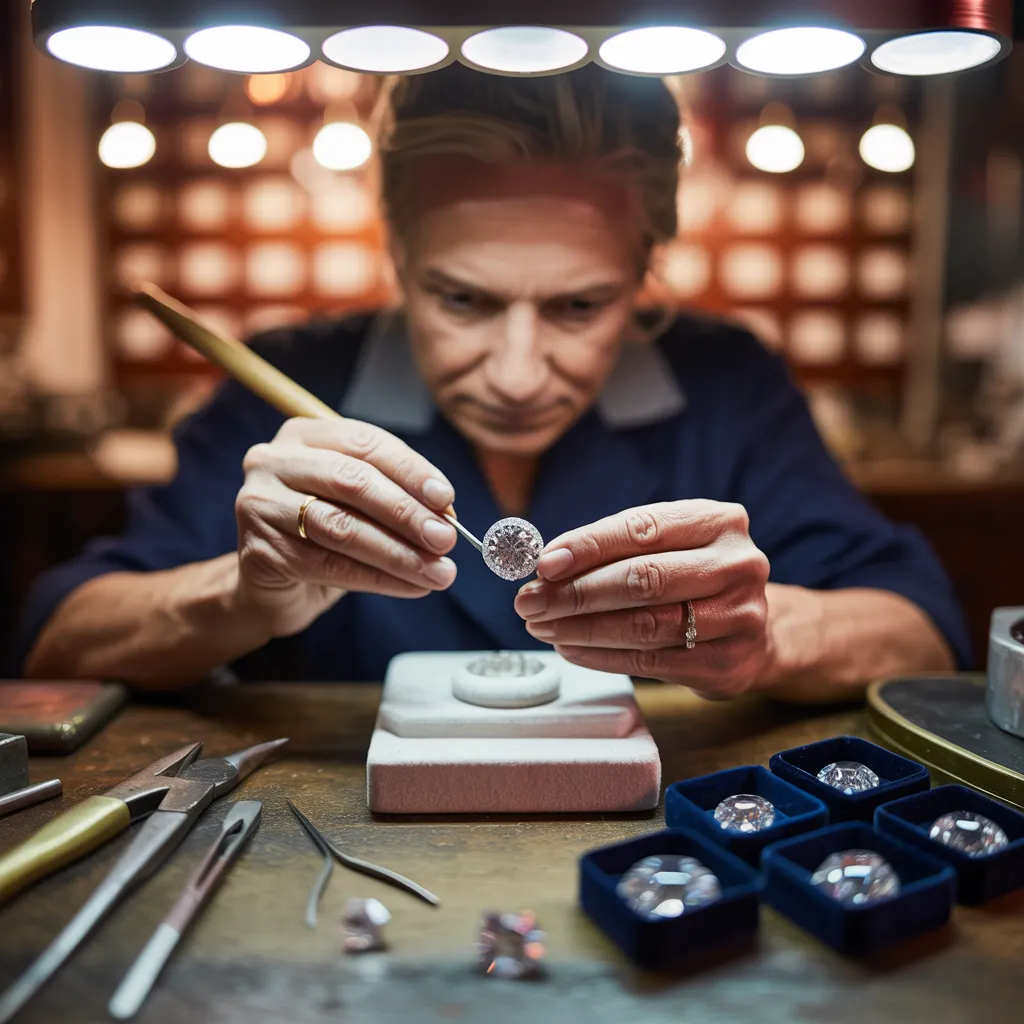
In royal jewelry, classical handcrafting practices play an essential role in producing pieces of remarkable quality. Such techniques frequently encompass intricate gemstone setting, making certain that each gem is set with exactness and attention. This level of artistry not only elevates the visual appeal but also adds to the historical importance of these prized pieces.
Classic Handcrafting Techniques
Numerous regal jewelry pieces are renowned for their remarkable craftsmanship, highlighting a blend of classic handcrafting methods that have been preserved across generations. Artisans utilize techniques such as fine filigree work, where intricate threads of metal are twisted and soldered to create detailed designs. A further notable technique is cloisonné, which involves the use of metal strips to form sections filled with enamel or gemstones. Furthermore, hand engraving incorporates fine details and surface textures, highlighting the mastery of the maker. The use of the lost-wax casting method allows for the creation of detailed and unique gold designs. Each work of art embodies the devotion to the art, ensuring that regal jewellery remains everlasting, preserving the legacy and tradition of the skilled work that created it.
Detailed Gemstone Setting
A wide array of techniques define the practice of intricate gemstone setting in royal jewelry, raising every creation to a level of extraordinary refinement. Among these, the prong setting stands prominent, where metal tines grip stones while optimizing light reflection. The bezel setting, encasing the gem in a metal rim, provides a clean and contemporary look. Furthermore, pavé techniques produce a glistening effect by embedding small stones closely together. Skilled jewelers commonly apply the method of invisible stone placement, creating a flawless visual effect that accentuates their luminosity. Beyond this, meticulous attention is given to jewel arrangement and proportion, confirming that each piece captures refinement and grace. These skilled approaches strengthen the timeless appeal of regal adornments, captivating enthusiasts across generations.
What Symbolism Can Be Found in Royal Jewelry
What deeper meanings lie within the elaborate designs of regal jewels? Each piece often serves as a symbolic expression of power, loyalty, and heritage. Symbols such as crowns or scepters evoke dominion and leadership, while patterns of flowers or animals often symbolize grace and the richness of the natural world. Gems are picked not solely for their decorative value but also for their historical importance; sapphires represent knowledge, rubies convey deep emotion, and emeralds are connected to new beginnings.
In addition, jewelry worn by royalty regularly features components that convey national identity, for example icons or shades linked to a distinct dynasty or homeland. Gifts of jewelry between royals frequently communicate partnerships and deepen connections, bearing both personal and political significance. Thus, these remarkable creations rise above basic ornamentation, capturing tales of heritage, custom, and the complex fabric of history that shapes royalty.
In What Ways Have Royal Jewelry Trends Shifted Over the Years?
In what ways have royal jewelry trends changed throughout history? Throughout the centuries, royal jewelry has served as a reflection of societal changes, capturing shifts in fashion, culture, and technology. In ancient times, magnificent gemstones and detailed metalwork were highly prized, representing wealth and power. The Renaissance era brought forth sophisticated designs incorporating floral patterns and enamel techniques, demonstrating remarkable artistic craftsmanship.
By the Victorian era, personal expression took center stage, with pieces often featuring locks of hair or hidden messages. The Art Deco era later emphasized striking colors and geometric forms, symbolizing progress and modern thinking.
In contemporary times, there has been a significant movement toward simple and refined designs and ethical sourcing, aligning with the rise of ethical awareness in society. Members of royal families now tend to favor items that merge classical traditions with current design trends, demonstrating a graceful flexibility in an ever-changing landscape. With the continuous evolution of fashion, the jewelry of royalty endures as a vibrant reflection of identity and lineage, preserving its significance across generations.
What Royal Personalities Shaped Jewelry Trends
Throughout history, numerous royal personalities have significantly shaped jewelry trends, influencing not just individual aesthetics but also widespread fashion currents. The United Kingdom's Queen Victoria championed sentimental jewelry, particularly accessories featuring lockets and hair, reflecting cherished personal relationships. During the twentieth century, Princess Diana emerged as a style icon, celebrated for her daring selections, notably the captivating sapphire engagement ring that ignited renewed interest in colored gemstones.
Likewise, the iconic Queen Elizabeth II exhibited enduring sophistication with her stunning array of diamond tiaras and brooches, inspiring generations to embrace classic styles. In the modern era, Meghan Markle has influenced current fashion perspectives, favoring minimalist designs that merge classic elements with modern sophistication. All of these distinguished royal personalities not only defined their eras but also created an enduring impact, demonstrating how jewelry can reflect cultural values and personal narratives while consistently advancing within the world of fashion.
Questions We Often Receive
What Materials Are Frequently Used in Royal Jewelry Designs?
Luxury jewelry styles commonly incorporate fine metals like platinum and gold, along with gemstones such as emeralds, diamonds, rubies, and sapphires. These elements blend to create luxurious, timeless creations that similar information embody distinction and refinement.
How Do Royal Jewelry Pieces Influence Contemporary Fashion?
Regal jewelry designs influence modern fashion trends by infusing sophistication and luxury, frequently showcasing bold gemstones and elaborate designs. Designers regularly borrow from these enduring features, merging heritage with contemporary style to create striking, fashionable statements.
Do Specific Occasions Call for Wearing Royal Jewelry?
Royal jewelry are traditionally reserved for formal occasions including formal galas, wedding celebrations, and state functions. Such distinguished occasions enable the jewels to be displayed at their finest, highlighting their exquisite artistry and rich heritage while enhancing the wearer's elegance.
How Is Royal Jewelry Preserved and Maintained?
Fine royal jewelry is kept in excellent condition via meticulous cleaning, safe storage, and routine inspections by trained professionals. Environmental conditions are carefully managed, ensuring pieces remain in pristine condition, while detailed historical records preserve their provenance and cultural value for generations to come.
What Role Does Royal Jewelry Play in Royal Ceremonies?
Royal jewelry acts as a symbol of authority and tradition during regal occasions, amplifying the grandeur of these celebrations. These remarkable jewels commonly reflect cultural heritage, strengthening the royal family's link to history and national identity.
Summary
The evolution of royal jewelry collections reflects a rich tapestry of artistry, culture, and power. Every enduring piece reflects not only remarkable workmanship but also deep-rooted symbolism and heritage. As fashions transitioned from grandeur to understated elegance, royal jewelry has continually adapted, remaining relevant through the ages. Celebrated members of royalty have shaped and refined these trends, guaranteeing that these breathtaking pieces remain symbols of heritage and grace, fit for royalty across generations.